
California’s Equitable Building Decarbonization Program Launches: Full Circle Moment for Environmental Justice Communities & Advocates
Written in collaboration with the Building Enery Equity & Power (BEEP) Coaltion
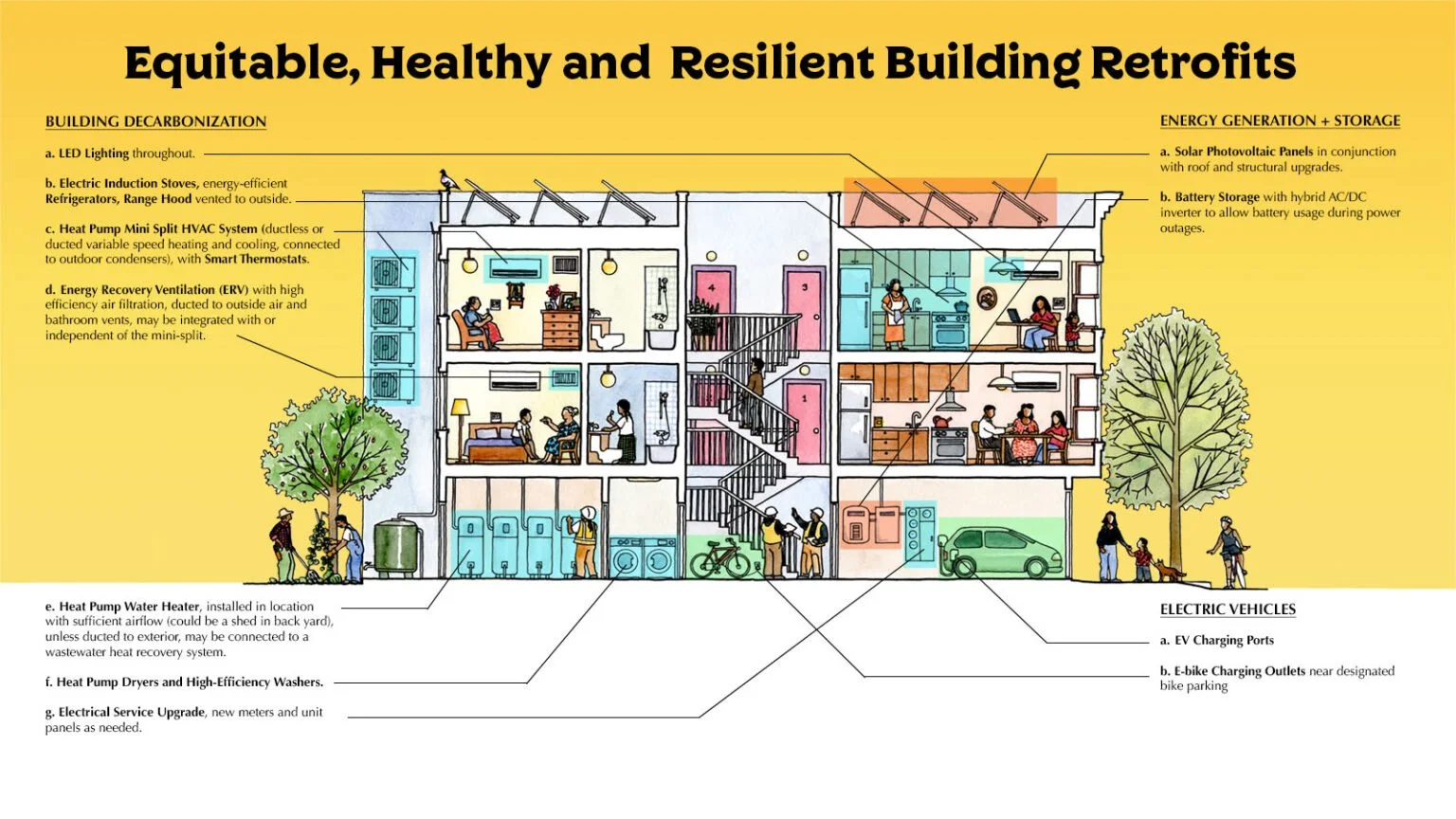
We’re excited to share that after two years of working with the California Energy Commission (CEC) the Equitable Building Decarbonization (EBD) program is officially launched across the state!
The Building Energy Equity and Power (BEEP) coalition, a statewide coalition advancing equitable building decarbonization policies, has advocated for the creation of the CEC Equitable Building Decarbonization program. The EBD Direct Install program is the first of its kind to provide whole-home electrification retrofits, prioritizing low-income communities. The program reduces greenhouse gas emissions while delivering critical health co-benefits by removing harmful air pollutants from gas appliances. This program reflects what is possible when community-based organizations and state agencies work together to design solutions that meet real needs.
In 2022, the BEEP coalition spoke directly with community members across California to understand their top priorities for building decarbonization and pollution inside their homes. From these conversations, BEEP developed its preliminary and healthy homes approach to equitably decarbonize residential homes. The preliminary report underscores the need for equitable building decarbonization to cover whole-home and safety retrofits, provide upfront costs for low-income communities (like a direct-install program), and include measures to prevent renter displacement.
Then, in 2023, the coalition supported the creation of the EBD program by aiding the CEC in co-hosting workshops with advocates and environmental justice leaders across California to further ground truth communities’ input. This was done through a co-design process where the CEC EBD staff moved away from only informing communities and shifted towards a meaningful collaboration. At the end of the year, the CEC adopted the Equitable Building Decarbonization Program guidelines championed by advocates and environmental justice leaders. The co-design process further built trust between the CEC and advocates, ensuring that environmental justice communities would not be excluded from the program.
Since the adoption of the guidelines in 2023, BEEP and multiple coalitions have rallied together to protect the program. As of early 2026, the California budget deficit has caused the program to be cut from $922M to $432M. The impact of the cuts slows California's progress toward its climate goals and also limits the energy, health, and climate benefits for environmental justice communities. Protecting the program is crucial to ensure long-overdue investments are delivered to environmental justice communities.
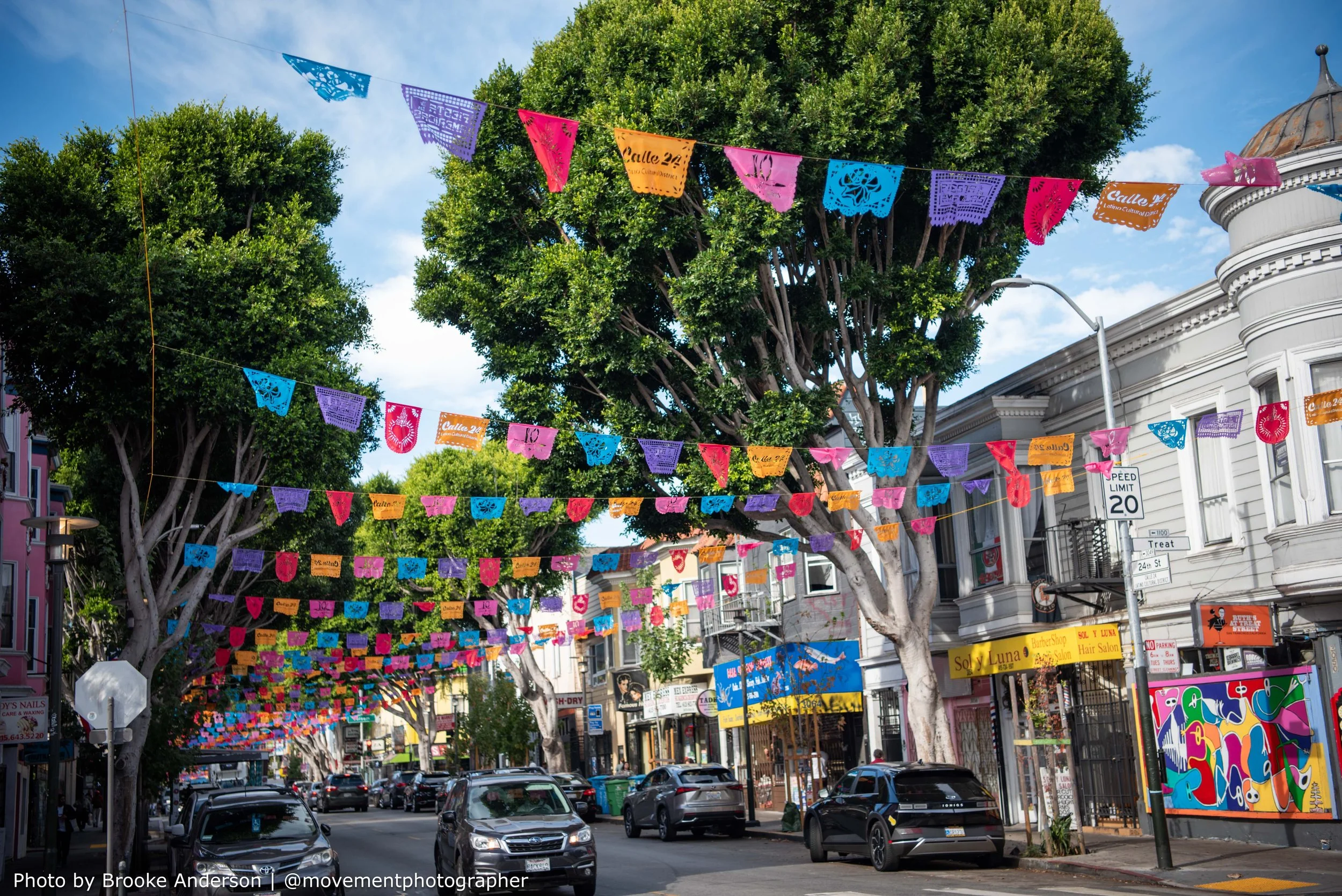
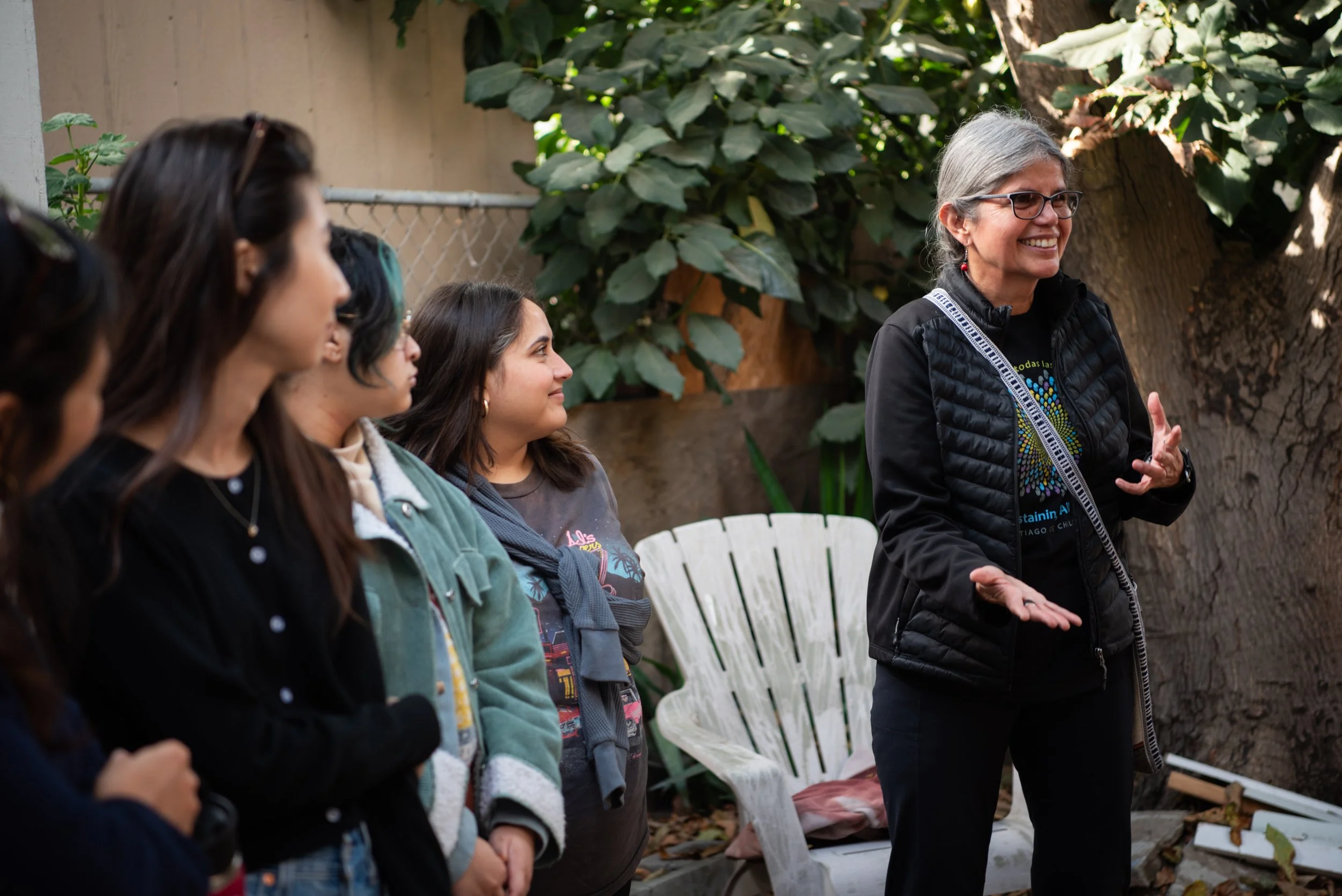
Communities that have been left out of the just transition now have a pathway forward to healthy homes. The CEC Equitable Building Decarbonization Program is a historic win and a full circle moment for many. However, there is still work to be done to equitable decarbonize all of California. The BEEP coalition will continue to work with allies to secure sustainable funding for the program, support allies advocating for statewide tenant protections, and to ensure that building decarbonization regulations support environmental justice and low-income communities.
The program will be administered by three implementers across the state: 1) Northern California, 2) Central California, and 3) Southern California. Each region will focus on specific communities in the first phase. Folks who are eligible will be able to get a home energy assessment and have the opportunity to fuel switch eligible gas appliances, such as gas water heaters and gas stoves, with energy-efficient electric appliances.
To learn more about efforts in your specific region, please connect with:
Christine Selig (PODER) – Northern California Region
Luzita Lutfi (Center for Sustainable Energy) – Central California region
Karen Romero Estrada (PSR-LA) – Southern California region