
Nuclear Weapons Community
Cost Calculator
Every tax season, Board Member Dr. Bob Dodge calculates the full cost of all nuclear weapons programs to our communities. Do you know how much you spend on Nuclear Weapons?
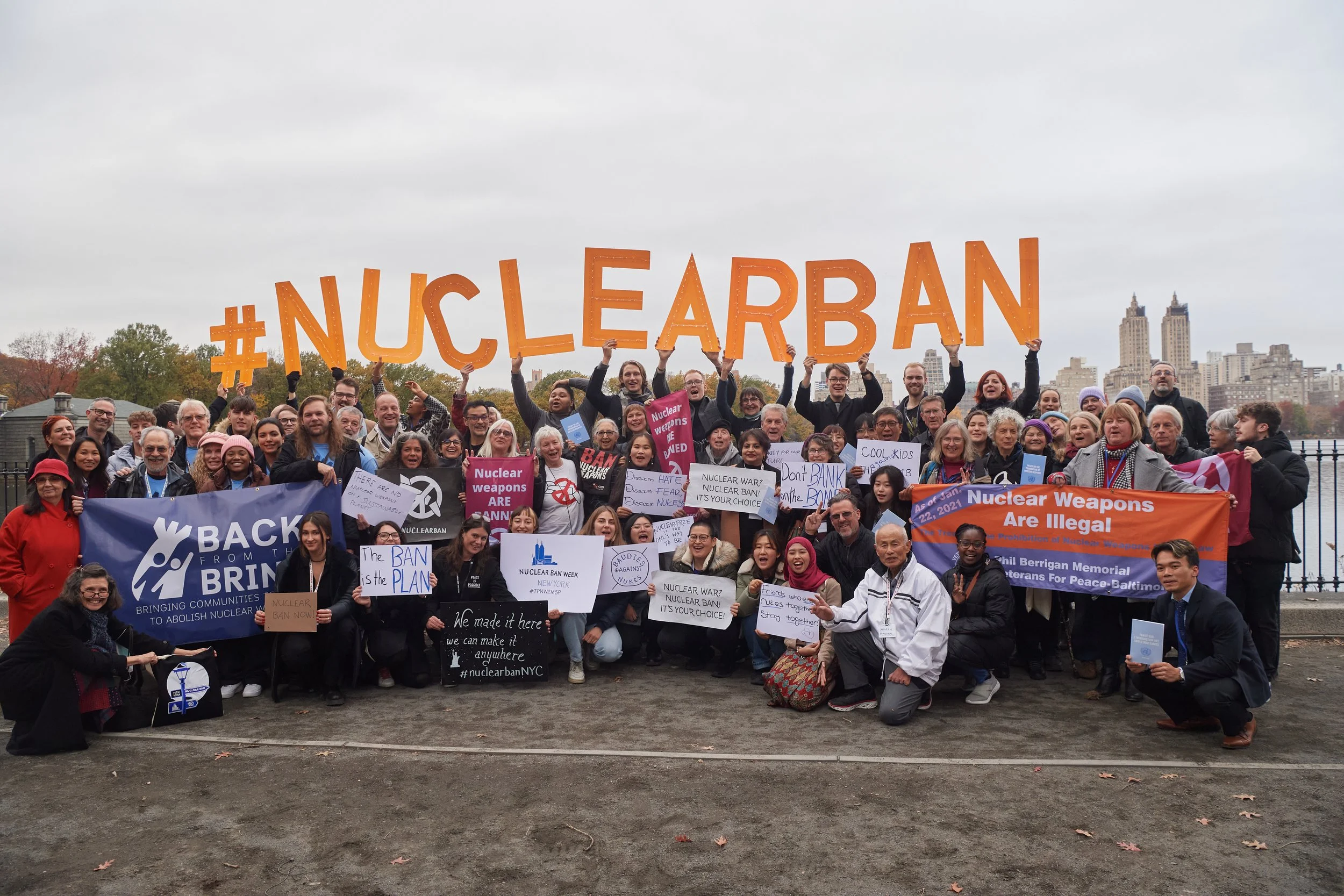
The Price Communities Pay
Nuclear weapons threaten us every moment of every day. The threat is higher now than at any point since the atomic bombings of Hiroshima and Nagasaki 80 years ago. While most reasonable individuals recognize that these weapons cannot and must not ever be used, approximately 12,400 weapons remain in the nuclear arsenals of the world. We also know that the use of even a tiny fraction (<0.5%) of these weapons over a single populated region would cause catastrophic climate change, resulting in a global famine that would potentially put 2 billion people at risk. These weapons also threaten us by robbing our communities of precious resources that could be redirected to the many needs that our communities fight for.
This fiscal year finds our nation facing challenges with an administration that is disrupting many established institutions designed to promote the health, safety, and well-being of our people. With so many people struggling just to make ends meet, the effects of these cuts are felt especially in economically disadvantaged communities and communities of color. As our country struggles with these realities, we hope this project will assist communities across our nation in addressing these inequities together.
For FY 2026 (Tax Year 2025), the total U.S. nuclear weapons program expenditure was
$137,230,000,000
Calculating the Real Cost of Nuclear Weapons
This year’s total U.S. figure is $137,230,000,000, with a per-capita nuclear tax of $401.51 based on average U.S. income. This is roughly a 24% increase from the previous fiscal year. The significant increase in spending came from an uptick in Department of Defense nuclear spending and funding for President Trump’s “Golden Dome” project. Additionally, after last summer’s “Big Beautiful Bill” and ongoing federal dysfunction, the budgetary process has been plagued by continuing resolutions, “mandatory funding,” and “reconciliation funding” that come after the budget is signed. In addition, the usual teasing out of the figures between the Department of Defense, Department of Energy, and U.S. Space Force adds to the challenge of determining accurate numbers.
“With this year’s calculation, it is noteworthy that the United States is spending $261,092 every minute on all nuclear weapons programs. These numbers represent the best possible estimate of nuclear weapons-related costs based on publicly available data. ”
2026 Fiscal Year Expenditures
Nuclear Weapons Programs’ expenditure for:
Los Angeles County was

$3,990,117,794
Los Angeles City was
$1,662,382,161
About the Nuclear Weapons Cost Program
The Nuclear Weapons Cost Program, now in its 37th year, attempts to determine the full cost of all nuclear weapons programs to our communities. Many excellent calculations have estimated portions of our nuclear weapons costs, including the ICAN report on global costs. These reports deal primarily with the cost of warheads and delivery systems development alone in an attempt to compare one nation to another.
In our report, we include verifiable costs of all nuclear programs that would not be spent if nuclear weapons did not exist. These include funding the nuclear missile defense system, environmental cleanup, and legacy programs dealing with communities that have been contaminated by the mining, development, testing, and stockpiling of these weapons. Also included is nuclear nonproliferation funding and funding to safeguard and sequester nuclear weapons in Russia and the former Soviet Union States.
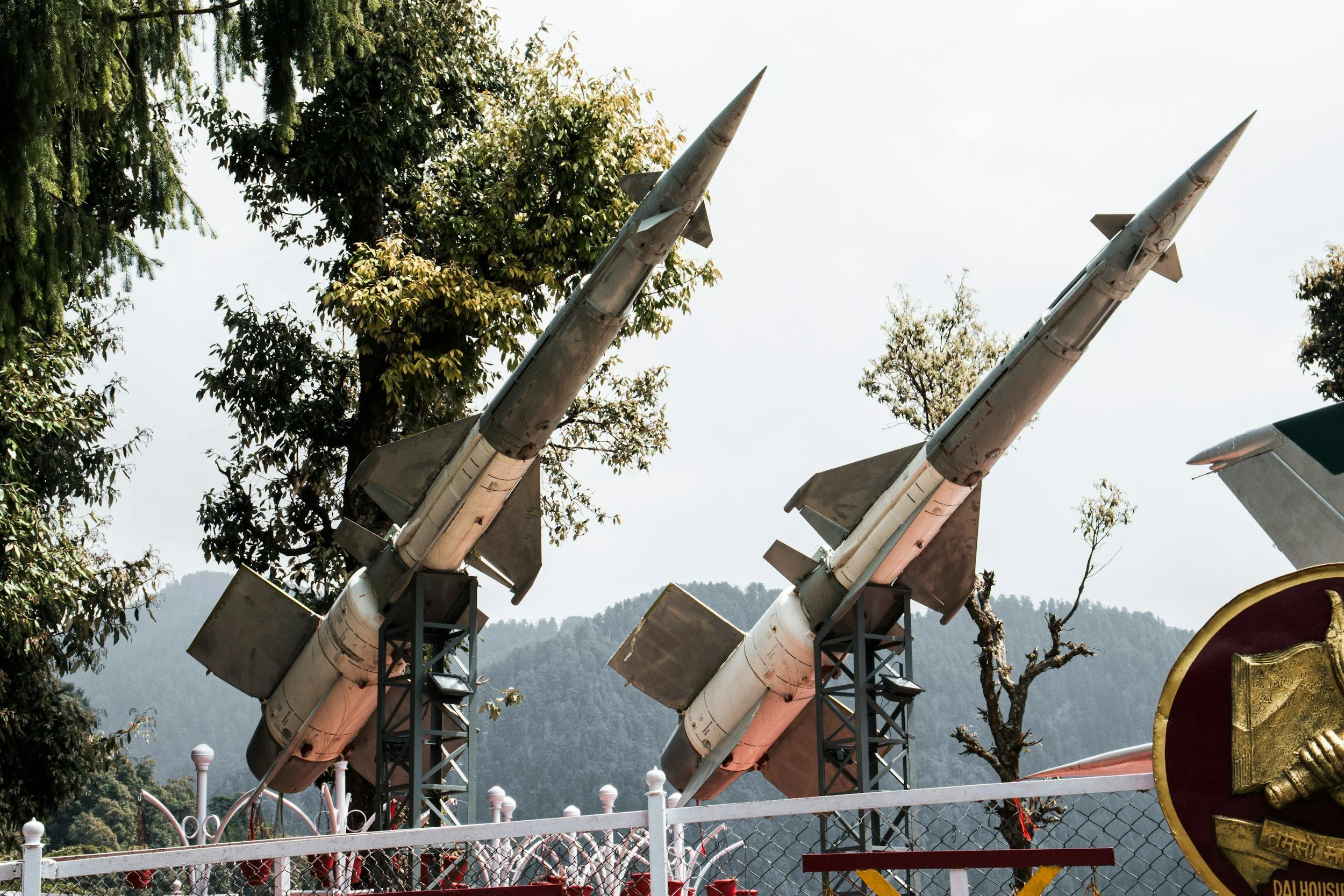
Determining the full cost of U.S. nuclear weapons programs is a tedious process, as the United States is not fully transparent in these figures. We have chosen to list only figures for which we can provide a reference. In 2013, with the release of the “Black Budget” by Edward Snowden, it was estimated that there were some $9 billion in “top secret” nuclear operations that were never publicly released. That year the U.S. “Black Budget” was $52.6 Billion. This year’s U.S. Intelligence Committee “Black Budget” is in excess of $81.9 billion. While likely still funded, it has become impossible to track nuclear expenditures; thus, there is no inclusion herein.
These are tax dollars much better spent on human needs — health, education, housing. Now more than ever, we must change our national priorities and invest in critical needs for our survival, not weapons of annihilation. The very existence of nuclear weapons is an economic, environmental, social, and racial justice issue.
We invite your comments and questions about our program. Email Denise Duffield at dduffield@psr-la.org.
Table Legend
NAE- National Average Expense
POP- Population
PCI- Per Capita Income (local)
FI- Federal Income (per capita)
PCIM- Per Capita Income Modifer (local)
PCNT- Per Capita ‘Nuclear Tax’
NE- Nuclear Expense (local)
Calculate Your Individual or Community Costs
-
In 2025, the average cost of nuclear weapons development to every individual in the United States was $401.51. This is based on a national per capita average annual income of $44,671.
If your income is different from this, you can calculate your income modifier by dividing your income by the national average.
For example, your income / $44,671 = your modifier. Multiply this modifier by $401.51 to get your tax contribution to nuclear weapons programs this year.
-
You can calculate the cost of nuclear arms to your community using the following formula:
$401.51 x PCIM x your population = community cost
To determine PCIM (per capita income multiplier) for your community, refer to this U.S. Census table.
To find the per capita income for your community, divide by national per capita income ($44,671)– i.e. average per capita income in your community divided by national per capita average ($44,671) = PCIM for your community.
Population figures for your community can also be found in this U.S. Census table.