Just Transition
A Just Transition to a Regenerative Economy
Your job and your zip code should not determine your life expectancy
Or your access to safe housing, clean water, and breathable air. But for too many communities, this is a reality. Decades of racist policy and an economy built on extraction have concentrated polluting industrial facilities on indigenous land and in communities of color and low-income communities. We’re working to change that. We seek to detoxify industries and transition to safe processes and products to protect the health of communities, workers, and the planet.
Our vision for a just transition
Everyone deserves to live and thrive in healthy communities. More importantly, we envision creating a system that does no harm and is rooted in justice and care—for one another and for the Earth, our shared home. This means transforming our existing extractive economy into a regenerative one: healthy by design, accounting for potential benefits and burdens at every stage of a product's life cycle, protecting workers and communities from harm, and restoring harmony with our environment.
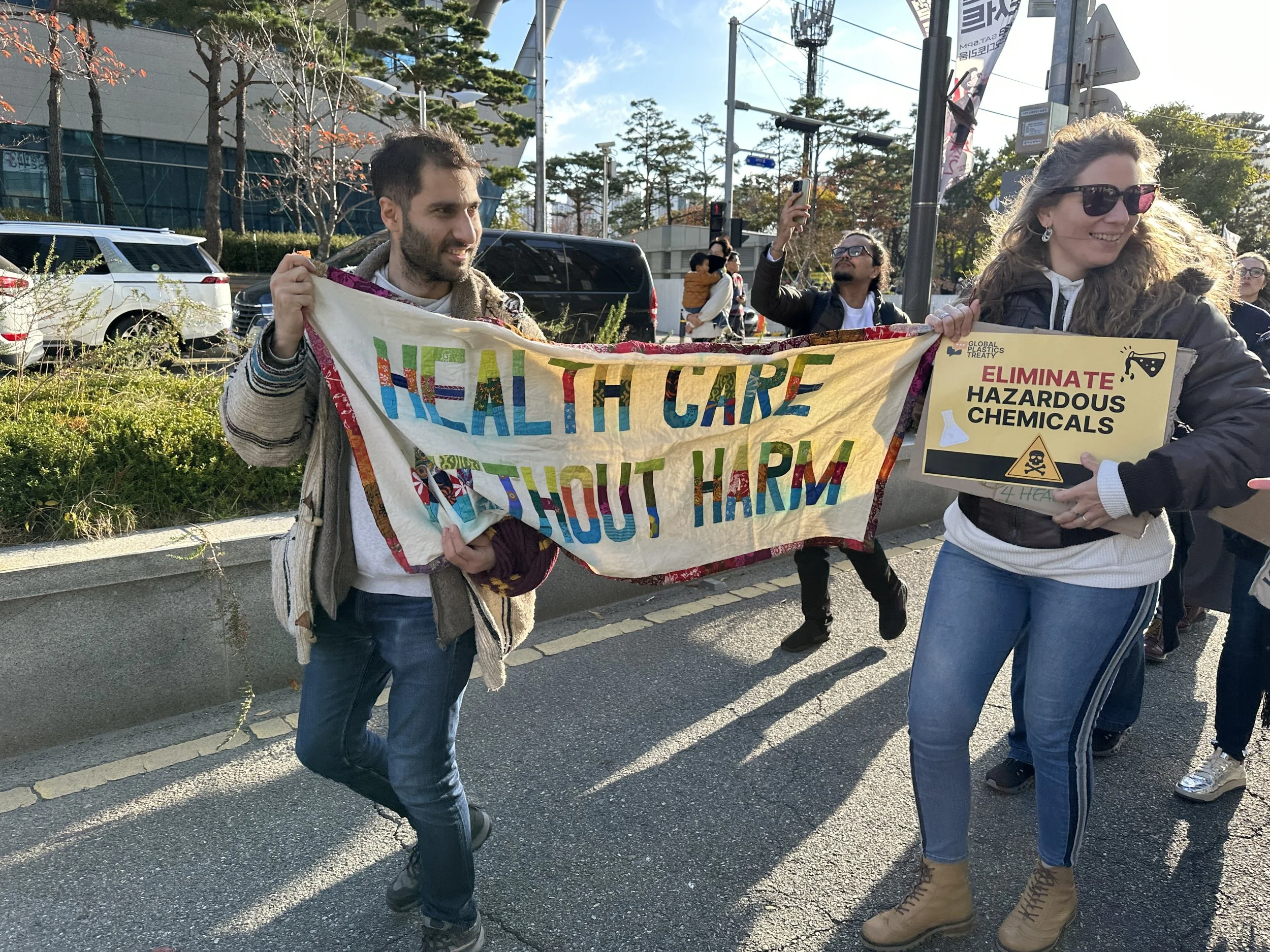
The path to a just transition begins with workers, fenceline and frontline communities, and allies working together to eliminate toxic chemicals and harmful industrial practices. Shifting towards thoughtful, safer alternatives while avoiding regrettable substitutions. Learn more about just transition frameworks across social justice, labor, and environmental justice movements.
We cannot accept that harm is the price of progress. We can do better.
PSR-LA believes we can build a fundamentally better system where our production, distribution, and consumption of goods and services are guided by care. Making sure we are not trading one harm for another. We can and must develop new design principles that reduce harm along the path of production, distribution, use, and disposal
We’re not doing this alone. We are part of a movement of frontline communities, workers and labor leaders, and environmental justice, climate, social justice, and public health allies working towards a just transition. Workers and impacted communities are at the forefront—working together for worker health and safety, and for their neighborhoods and homes to be healthy, equitable, and thriving. Long before it had a name, workers and fenceline communities were already building the foundation for this vision. Together, we can create a future that honors communities and workers, and protects the generations to come
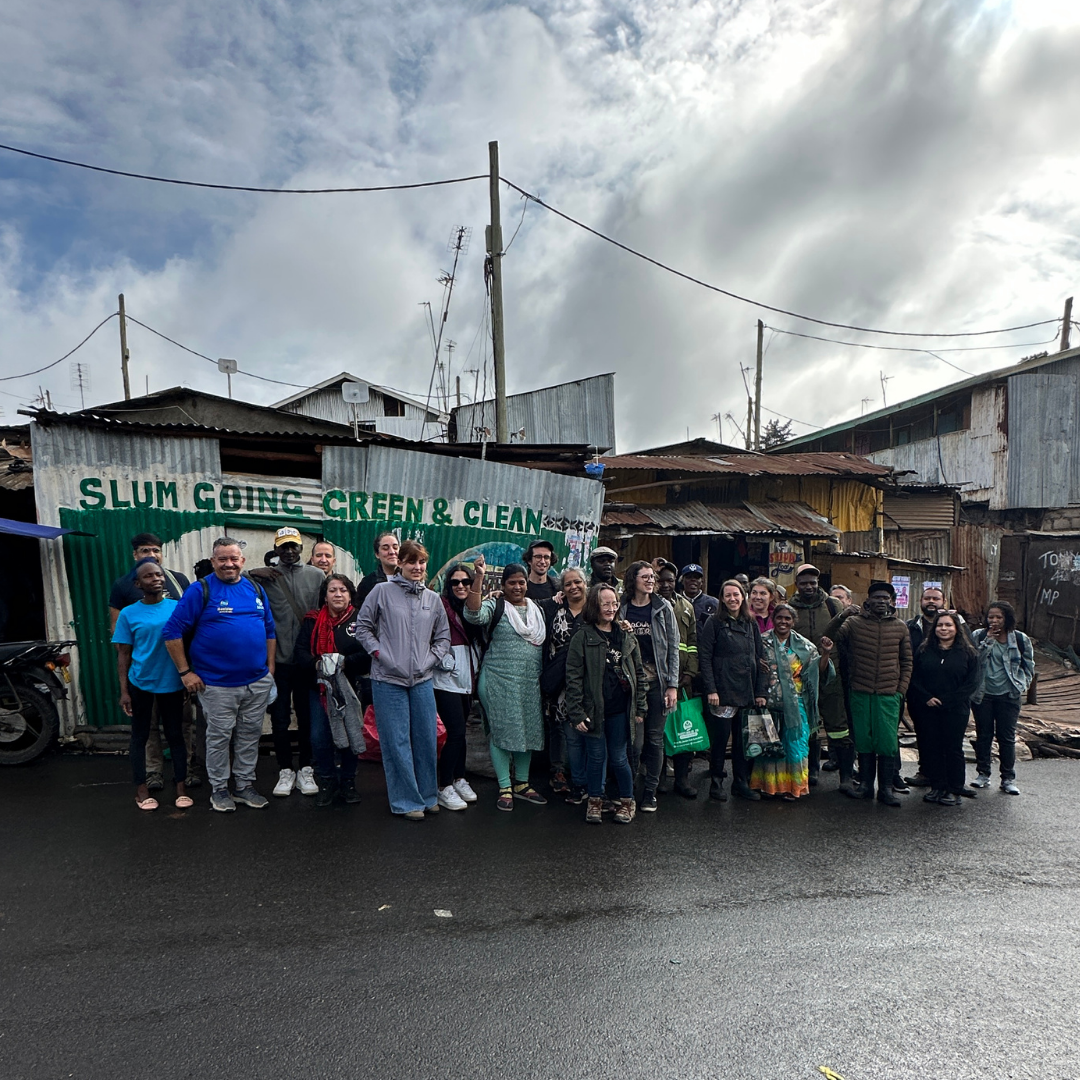
WATCH & LEARN Just Transition in Action: Kibera Door-to-Door Waste Collection
Our international work has led us to cross paths with powerful organizers from South America, India, Argentina, Kenya, and beyond. Many of these community leaders are waste pickers, Indigenous leaders, parents, and environmental justice advocates determined to secure a healthier, safer future for their families. Watch as our delegation tours Kibera, Kenya's largest slum, with local waste pickers leading the charge for a healthy, thriving community.
Real solutions remain grounded in frontline leadership and community power.
An economy built on fossil fuels
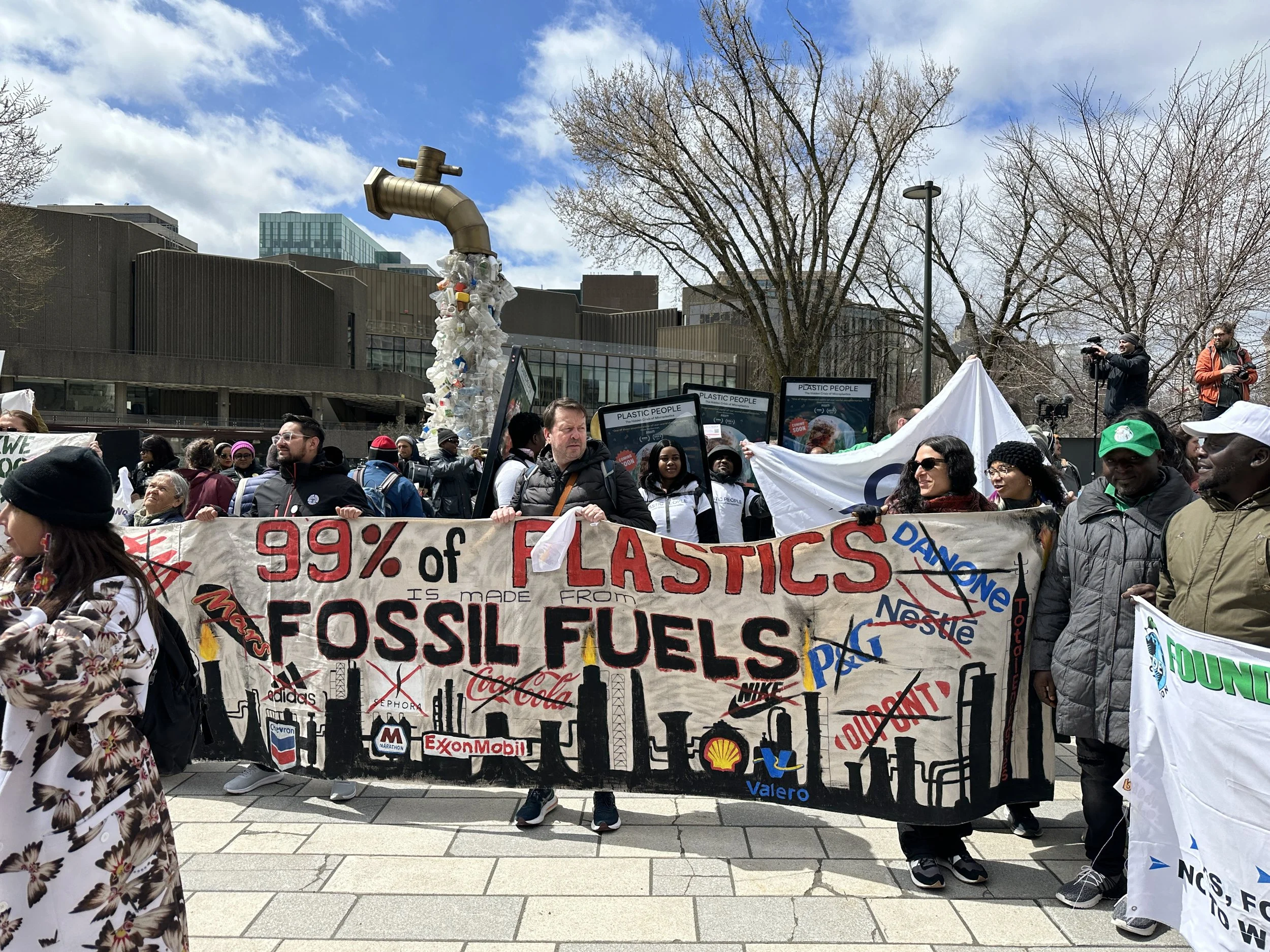
For the past century, the extraction, burning, and refining of fossil fuels have resulted in exploitation of local communities, environmental pollution, and detrimental health harms. It’s also driven the climate crisis we’re living through today. Here’s what most people don’t realize: fossil fuels are not just about energy. They’re woven into nearly all modern industries—into almost everything we touch.
Petrochemicals, chemicals derived from petroleum and natural gas, are the building blocks of the chemical industry. They make thousands of everyday products, including the plastic in our kitchens, the pesticides in our food, the clothing and personal care products we use, and materials used to build homes and life-saving equipment.
Petrochemicals are everywhere, and they impact our health. They are associated with cancers, cardiovascular disease, infertility, and neurodevelopmental harms.
A just transition that protects the health of workers and communities requires fully phasing out fossil fuels, expanding safe renewable energy sources, and replacing petrochemicals in our industrial processes and products with safe alternatives so communities stop paying with their health. Imagine a new economy based on that principle.
Just Transition Frameworks and Movements
The Just Transition framework emerged from labor unions and environmental justice groups that recognized the need to phase out harmful industries while providing just pathways for workers in those industries to transition to other high-road jobs and careers. Some existing definitions include:-
As defined by the Just Transition Alliance, Just Transition is a principle, a process and a practice. “The Just Transition process for achieving a healthy economy should be a fair one that should not cost workers or community residents their health, environment, jobs, or economic assets. Any losses should be fairly compensated. And the practice of just transition means that the people who are most affected by pollution — the frontline workers and fence-line communities — should be in the leadership of crafting policy solutions.
-
As defined by the Climate Justice Alliance, Just Transition is a vision-led, unifying and place-based set of principles, processes, and practices that build economic and political power to shift from an extractive economy to a regenerative economy. “This means approaching production and consumption cycles holistically and waste-free. The transition itself must be just and equitable; redressing past harms and creating new relationships of power for the future through reparations. If the process of transition is not just, the outcome will never be. Just Transition describes both where we are going and how we get there.”
-
The Movement Generation organization further defined and framed the Just Transition framework as the process of: “shifting from dirty energy to energy democracy, from funding highways to expanding public transit, from incinerators and landfills to zero waste, from industrial food systems to food sovereignty, from gentrification to community land rights and from rampant development to ecosystem restoration. Workers and communities impacted first and worst must lead the transition to ensure it is just.”
-
The Indigenous Environmental Network define and frame Just Transition through Indigenous thought. “A healing process of understanding historical trauma, internalized oppression, and de-colonization leading to planting the seed and feeding and nurturing the Good Way of thinking. It is lifting up Original Instructions and Teachings of respecting ourselves, our clans, our family systems and how we are all related with all living things and our relationship with the spirit, personality and consciousness of the sacredness of Mother Earth and Father Sky.”
Related Program Areas
-
![Professional Wet Cleaning]()
Professional Wet Cleaning
-
![]()
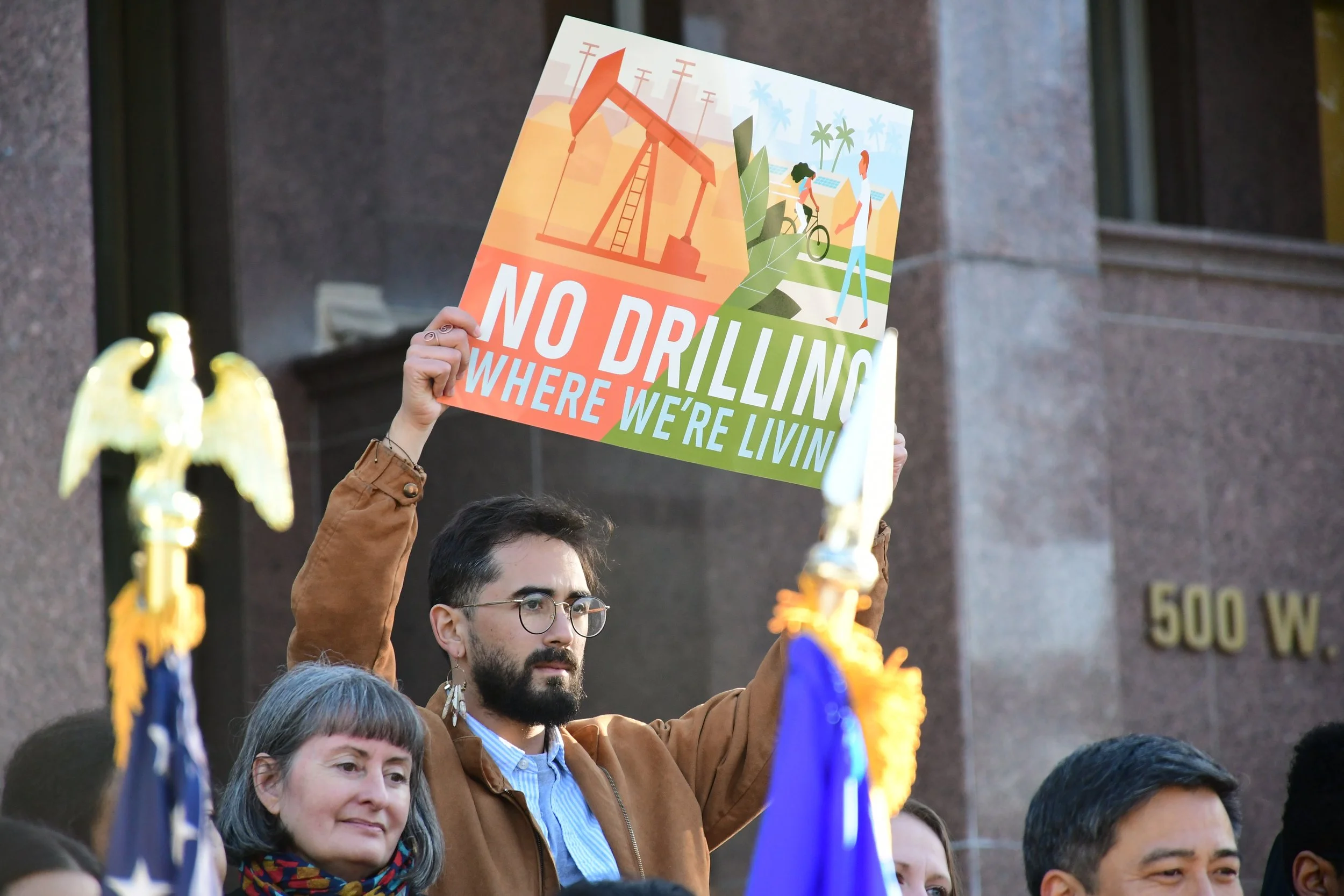
Stand Against Neighborhood Oil Drilling Los Angeles (STAND-L.A)
-
![]()
Environmental Justice Communities Against Plastic (EJCAP) Coalition