Hydrogen
Hydrogen is the lightest, simplest, and most abundant element in the universe. How can such a small molecule, invisible to the human eye, carry real consequences for our climate, our health, and our communities?
An Extension of the Fossil Fuel Industry
Hydrogen's indirect global warming impact is estimated to be nearly 12 times that of carbon dioxide over a 100-year time frame (more than 37 times as strong over 20 years). Yet in recent years, hydrogen has emerged as a clean energy solution that can decarbonize sectors that would otherwise continue to burn fossil fuels.
In reality, hydrogen is often inefficient, costly, and dangerous— a greenwashing strategy largely promoted by the fossil fuel industry. While many believe hydrogen is the future of clean energy, it really just replicates the same extractive patterns that created the climate crisis: worsening pollution, diverting funds from proven renewable solutions, and prioritizing corporate profits over health and safety.
The risks aren’t theoretical. Hydrogen infrastructure has already been linked to fires and explosions, dangerous gas leaks, and heavy strain on local water supplies. Expanding its use means expanding these hazards. Given the seriousness of the climate crisis, our communities cannot afford additional pollution burdens or additional energy costs. We need real solutions, not quick-fix solutions that perpetuate harm.
In California, a large-scale buildout is underway using taxpayer funding, locking us into many more decades under the fossil fuel industry, and delaying the justice-first energy transition we need—one that invests in grid modernization, distributed and community-owned renewables, and grid-scale storage rather than false technological fixes.
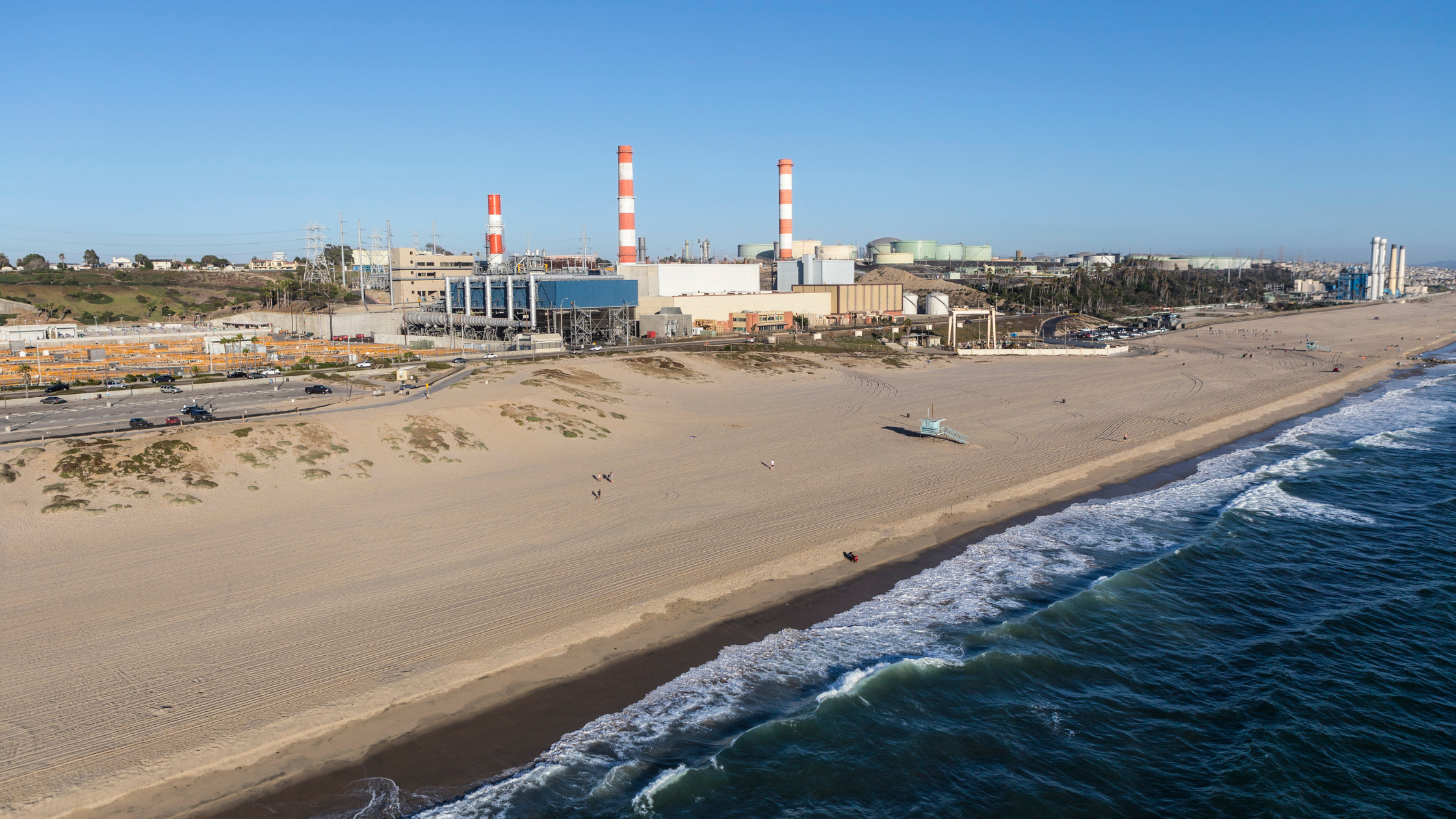
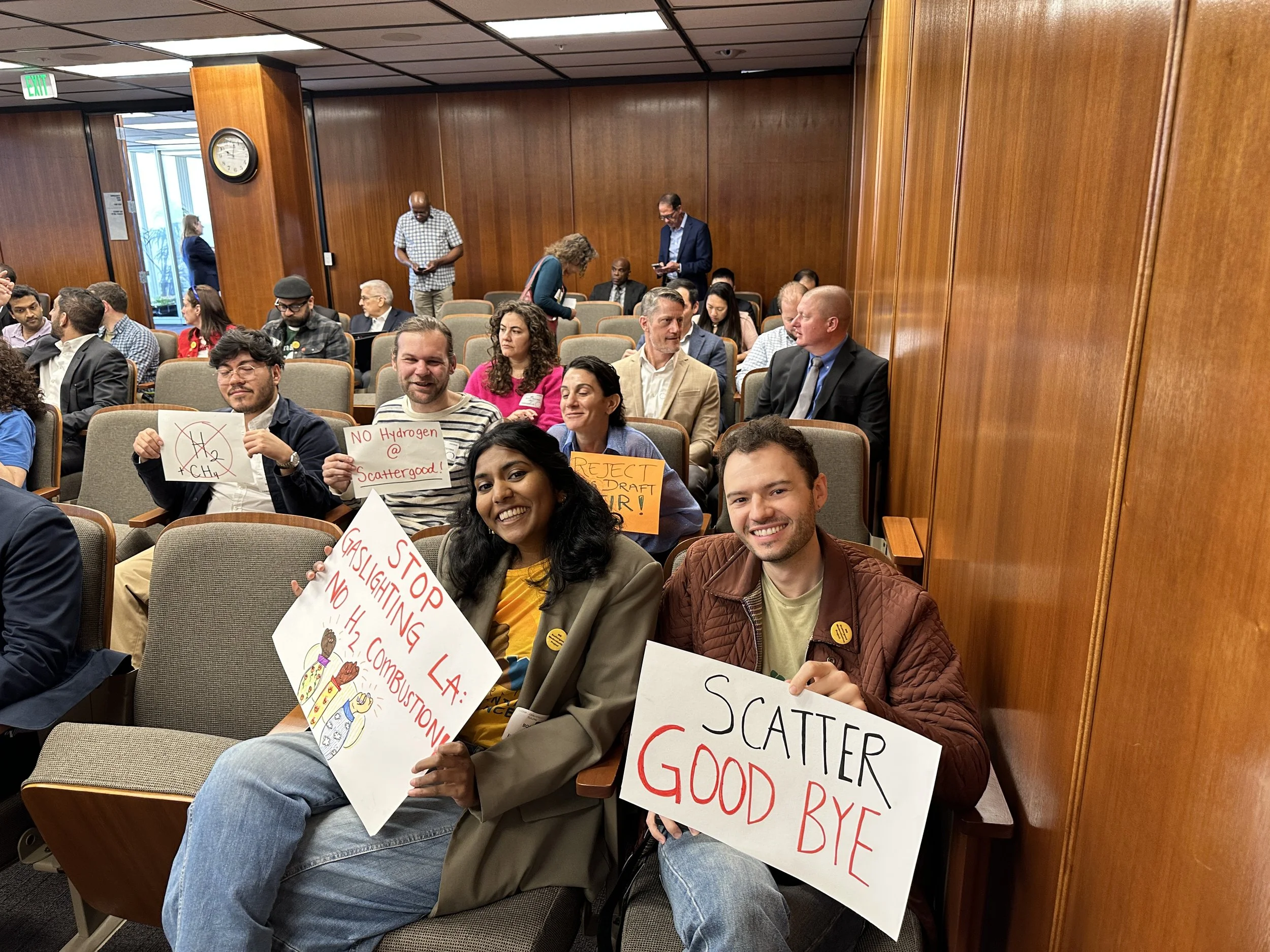
In August 2026, LA City Council voted to allow LADWP to move forward with its plan to retrofit the Scattergood Generating Station in Playa del Rey, near communities in Inglewood, Hawthorne, and Lennox. Instead of decommissioning the plant, it will burn a mix of hydrogen and natural gas. Read more about it here.
REPORTAn Assessment of the Hydrogen Energy Lifecycle
Every process within every stage of the hydrogen lifecycle presents unique questions and challenges. As the climate crisis grows more urgent, decision-makers need to consider hydrogen's challenges instead of blindly pivoting to it as a miracle power source.
Don’t Buy the Hydrogen Hype
To accompany our report, Don’t Buy the Hydrogen Hype: An Assessment of the Hydrogen Energy Lifecycle, PSR-LA created an interactive tool to help decision-makers and community members understand proposed hydrogen uses and their impacts on climate, health, and safety.
Explore and learn more about Hydrogen production, transportation and storage, and end uses.
Why is Hydrogen a False Solution
-
To build the infrastructure needed to support a hydrogen economy, an enormous upfront investment is required. This often takes the form of tax incentives for industry and rate increases for customers, squeezing low-income people through higher taxes and energy bills. Los Angeles Department of Water and Power’s (LADWP) proposed plan to retrofit the Scattergood power plant in El Segundo to burn a hydrogen-methane blend was originally slated to cost $800 million, but the DWP Ratepayer Advocate called that estimate “highly unlikely,” citing increased turbine prices and other financial risks. In addition to the infrastructure, the fuel itself is more expensive than methane, further increasing operating costs that will be passed on to ratepayers.
-
Since pure hydrogen rarely occurs naturally, an enormous amount of energy and water are needed to isolate it. Therefore, hydrogen is not an energy source, but rather a form of energy storage. Due to leakage and other inefficiencies in the hydrogen lifecycle, nearly 75% of that energy input is lost by the time the hydrogen is used, making it far less efficient than battery storage.
-
Here in the LA region, SoCalGas stands to benefit most from an investment in hydrogen infrastructure. They plan to develop an entirely new network of hydrogen pipelines throughout the region and will profit whether Scattergood burns methane, hydrogen, or some combination of the two. Given their track record (see here, here, and here), do we really trust them to safely manage an even more flammable fuel in our communities?
Related Resources
-
![]()
Transitioning Toward Energy Justice
-
![]()
Environmental Justice Equity Principles for Green Hydrogen in California
-
![]()
Environmental Groups Join Scattergood Hydrogen Retrofit Lawsuit