
TIERRA Project
When you walk through your neighborhood, have you ever stumbled upon a vacant lot filled with dirt, shrubs, and litter? Maybe there was an abandoned building there? Perhaps it was surrounded by a chain-link fence with warning signs? It's likely you've spotted a brownfield.
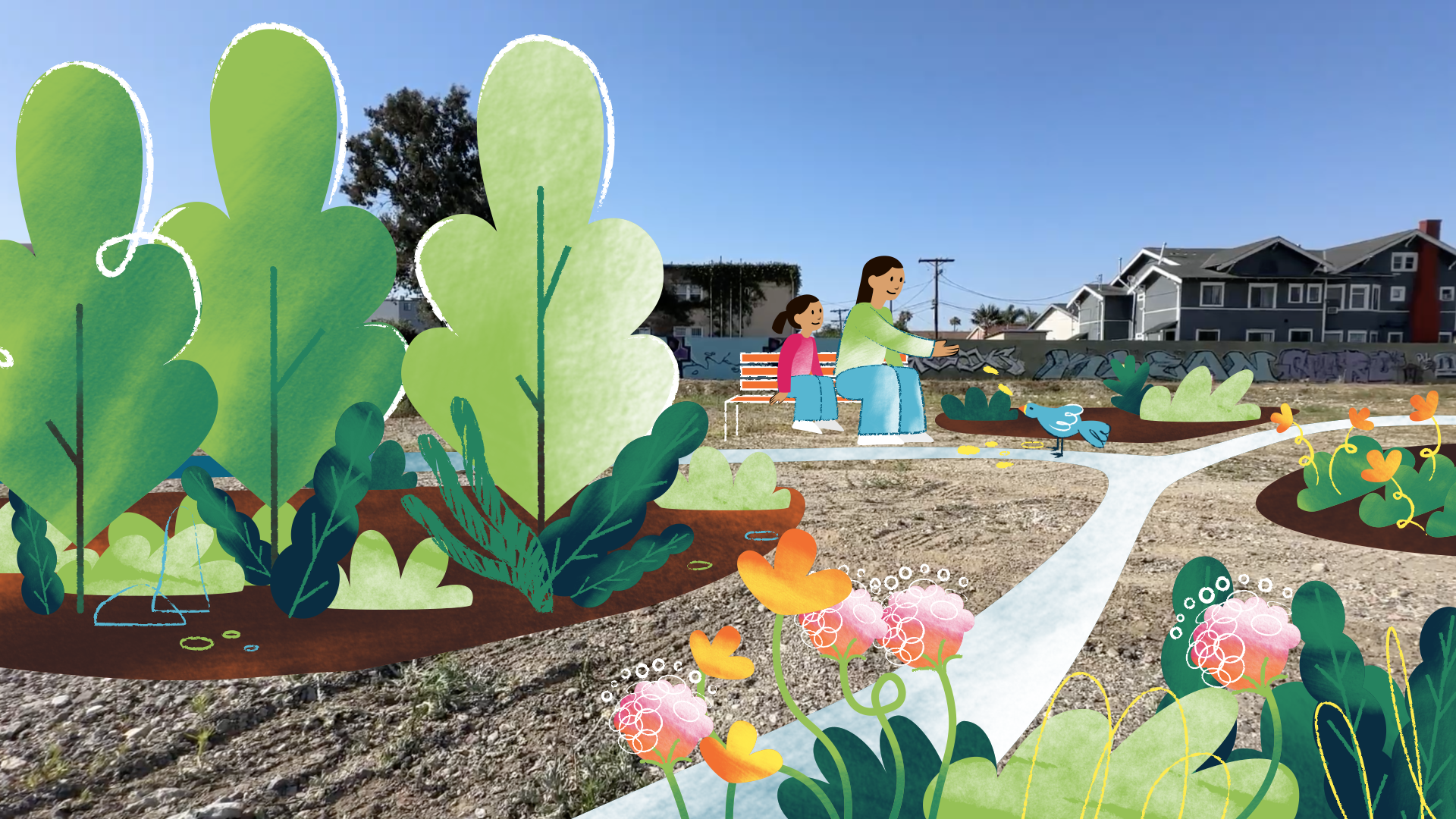
A Matter of Environmental & Racial Justice
While they may appear empty or forgotten, brownfields are anything but harmless.
Brownfields are not just a land use issue—they are a matter of environmental and racial justice. These contaminated sites pose significant health, economic, and social risks to surrounding communities. Residents face disproportionately high rates of cancer, fertility issues, and cognitive diseases, making brownfields an urgent public health threat. They are also a toxic reminder of the harmful legacy of racist and discriminatory planning and development practices.
In Los Angeles, Black, Brown, Indigenous, and low-income communities have been overexposed and underprotected from legacy soil contamination for decades. These communities have long been surrounded by polluting industries and infrastructure, resulting in alarming levels of pollution and soil contamination.
But contaminated land can be remediated, restored, and reused.
Healing and restoring our land is crucial for a healthier future for generations to come. To prevent history from repeating itself, we must break the cycle of environmental harm and actively engage in solutions that repair and restore our communal land and health.
The TIERRA Project aims to assess the potential for brownfield remediation and redevelopment into safe, green, and clean spaces across the broader South Los Angeles region.
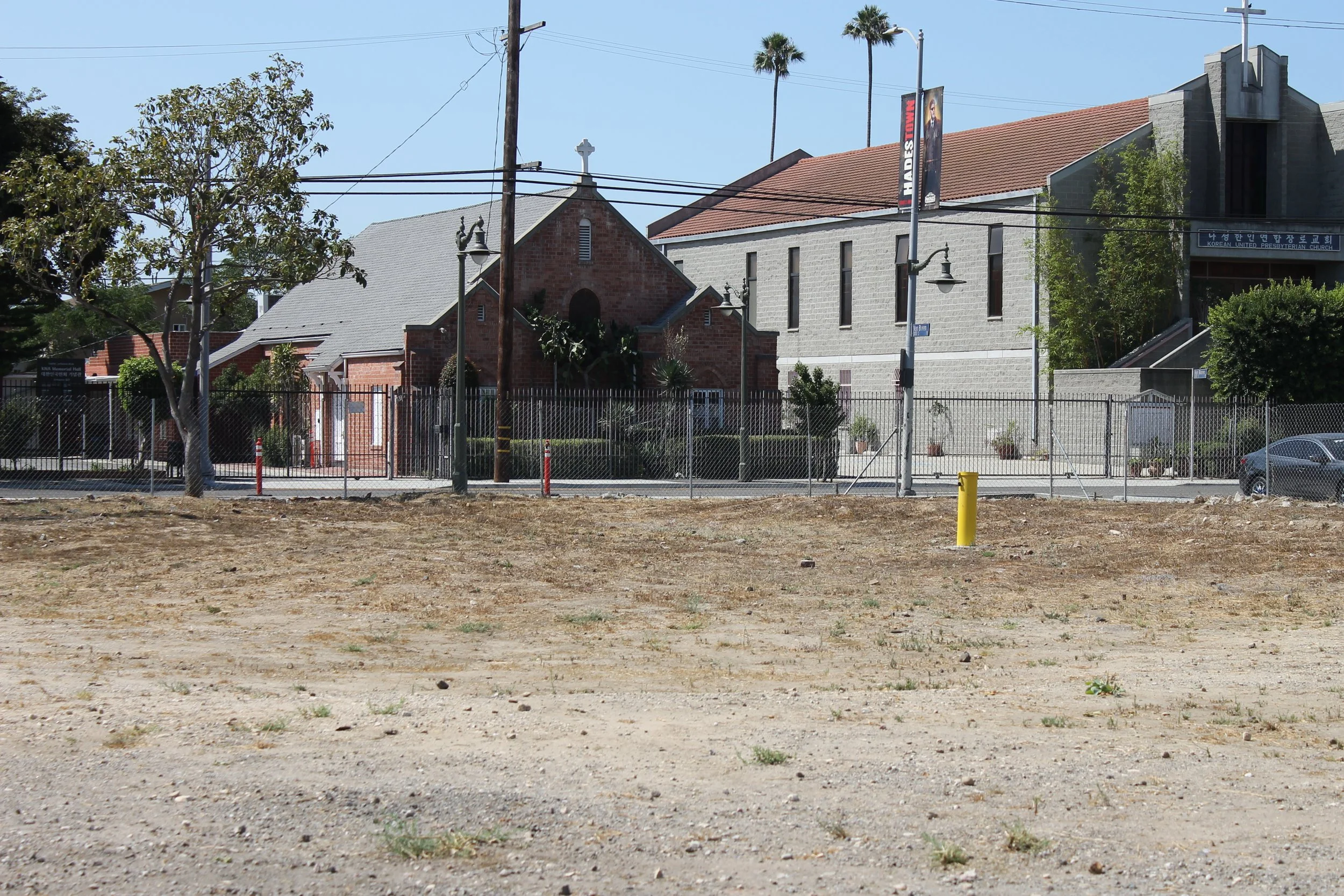
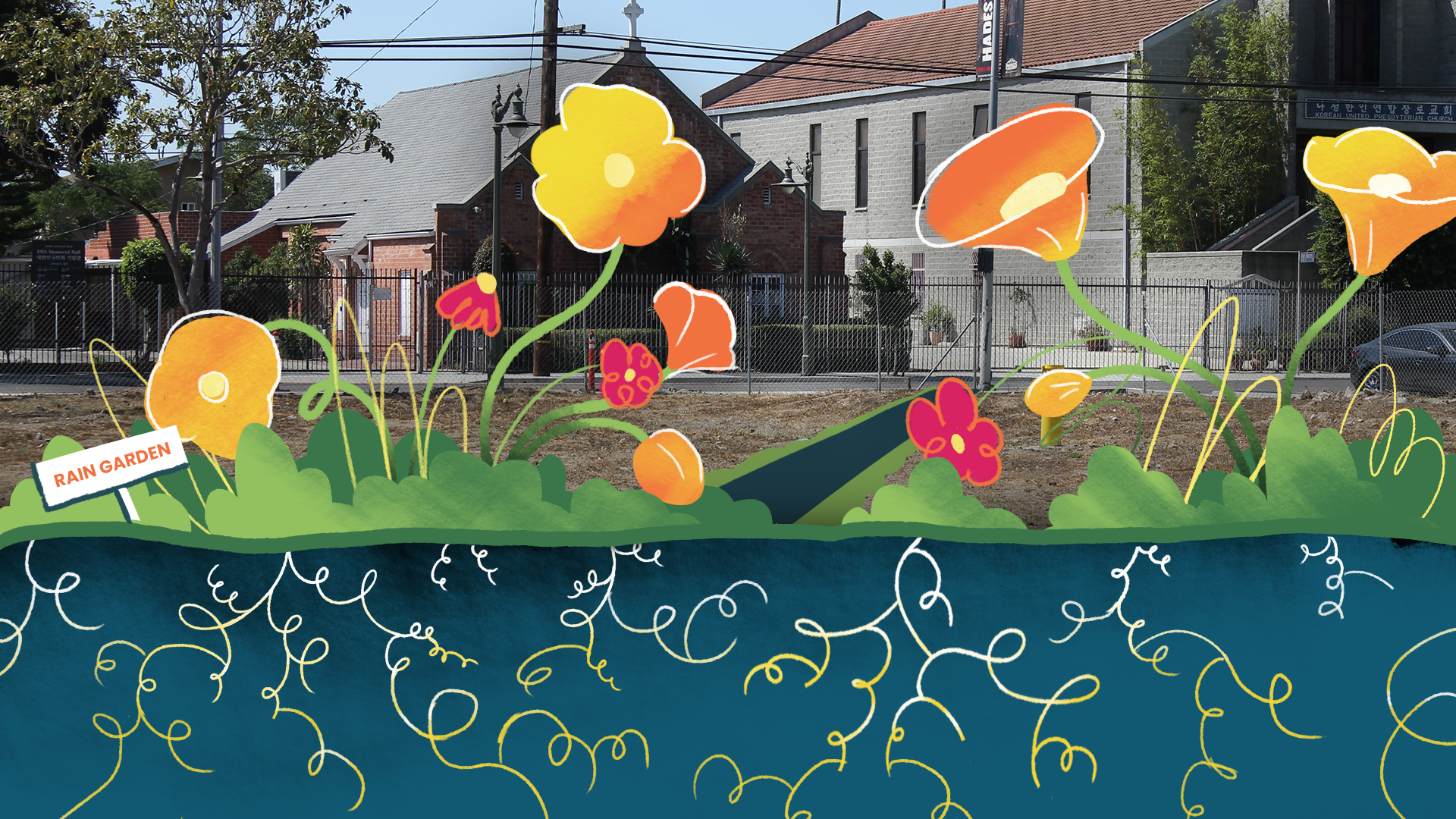
WATCH & LEARN Transforming Brownfields: Turning Toxic Land Into Thriving Communities
Brownfields aren't just empty lots; they're toxic reminders of racist, discriminatory planning decisions. But they have the potential to become spaces our communities need—parks, housing, gathering spaces.
The key? Community voices leading the way.
Brownfields 101
-
A piece of land where a past use may have contaminated the soil and water.
-
Advance safer and greener methods for soil remediation, such as bioremediation and other health-protective strategies for cleanup.
Ensure that communities lead the redevelopment process and are engaged early on.
Advocate for stronger cleanup standards and redevelopment regulations that protect community health and facilitate an equitable brownfield redevelopment process.
Establish a dedicated long-term funding stream for brownfield remediation and redevelopment at the federal, state, and city levels.
-
Bioremediation is the use of living organisms, plants, and natural processes to help break down, remove, transform, or stabilize pollutants in the environment, or remove pollution from the soil, air, and water, making the environment safer for community use.
-
Contaminated land, once a symbol of neglect, can be remediated, restored, and repurposed into affordable housing, community centers, parks, and other vital spaces that directly serve impacted communities and improve community health. Beyond revitalizing neighborhoods, these efforts strengthen climate resilience by improving soil, air, and water quality. Healthy soils retain water, sequester carbon, degrade potential pollutants, and support biodiversity, helping to mitigate the effects of droughts, floods, and extreme heat events (1).
(1) Hanna Linden (she/her) | CA4SH Secretariat. (2024a, August 22). Op-ed: Roots of resilience: Soil health and climate change?. Coalition of Action for Soil Health. https://www.coalitionforsoilhealth.org/news/op-ed-roots-of-resilience-soil-health-and-climate-change
REPORTTIERRA Community Toolkit
Our toolkit is a resource for community residents, advocates, and decision-makers to learn about brownfields and collectively take action to clean up and transform contaminated sites in their community.
Related Resources
-
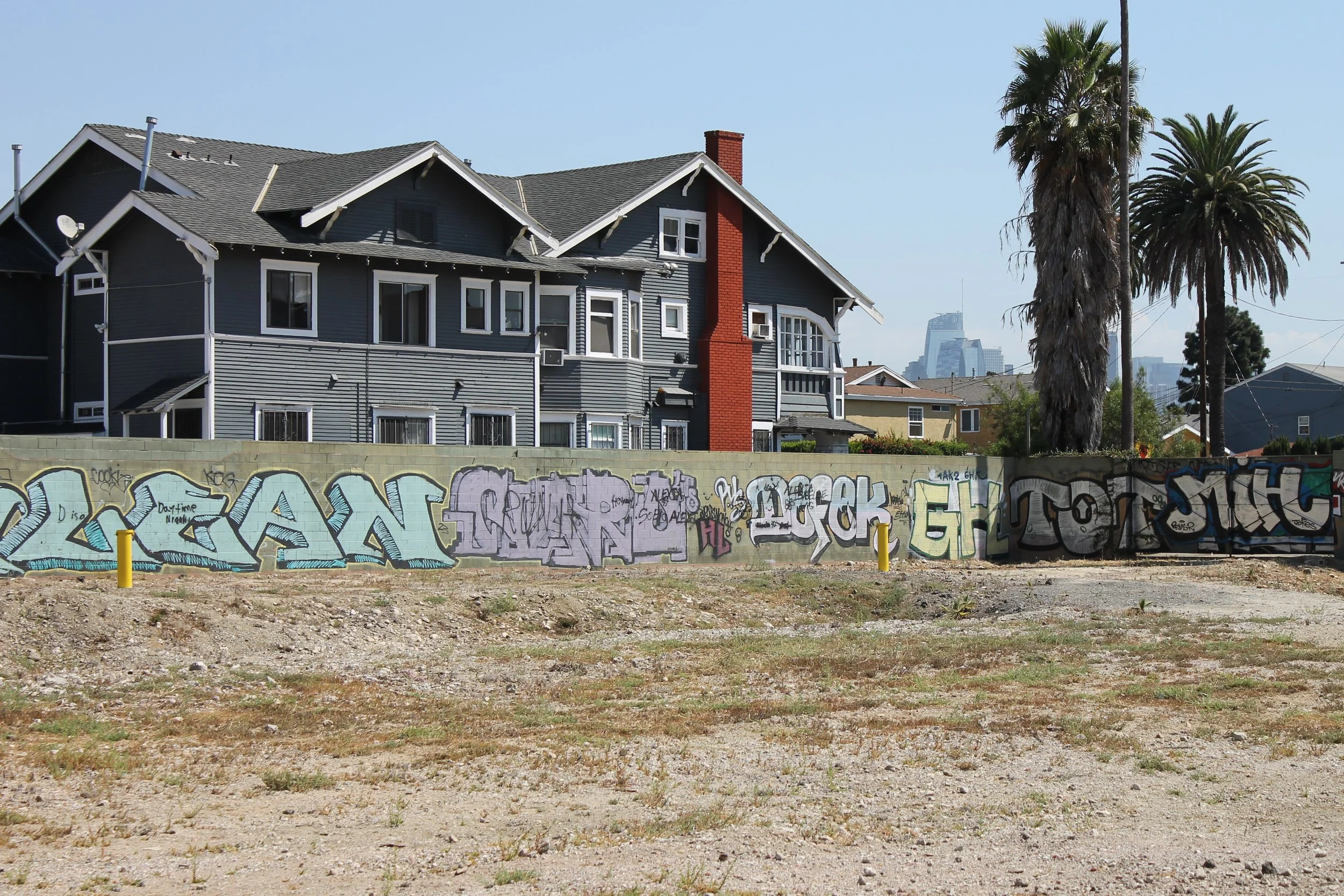
FACTSHEET: Brownfields, Environmental Justice, and Public Health
Recognizing and addressing the impact of brownfields is essential to advancing health equity, environmental justice, and sustainable community development.
-
Brownfields 101 Webinar Series
This 2-part webinar series focuses on the issue of contaminated soil and how to transform it equitably into healthy, community-serving spaces.
-

CEQA as a Land Use Tool
CEQA has protected Californians' public health and the environment for more than 50 years. It's a vital tool for communities to have a voice in decisions impacting their neighborhoods.